

The EU Buildings Directive introduces consistent energy certificate ratings from A to G across the EU. According to immowelt data, A-rated flats cost around 15% more than comparable D-rated properties. Treating the rating as a box to tick wastes margin on efficient properties and leaves you defending inefficient ones. Here is how to turn it into a selling point.
The EU Buildings Directive: one scale for Europe
According to the BBSR's GEG information portal, EPBD 2024 entered into force on 28 May 2024, with national transposition required by the end of May 2026. It introduces consistent A–G ratings, optionally supplemented by A+, along with digital certificates. New buildings must be zero-emission from 2030.
For estate agents, this means prospects will find ratings easier to compare because the same scale applies everywhere. The rating becomes a quality indicator buyers understand at a glance. At the time of publication, national implementation in Austria and Germany is still evolving. Countries differ on the figures required in advertisements. Check the current rules in your market before publishing.
Efficiency has a measurable price
An immowelt analysis, using 2025 listings and a hedonic pricing model, shows how strongly ratings affect asking prices. Top-rated A+ flats cost around 20% more than comparable D-rated properties; A-rated flats around 15% more, and B-rated flats around 8% more.
The downward effect is clear too. H-rated houses are around 17% below comparable D-rated properties, and H-rated flats around 9% below.
The analysis covers Germany. Comparable Austrian analyses are not currently publicly available, but the mechanism works in both markets: buyers factor energy costs and renovation needs into their offers.
This means two things for your work. A good rating has monetary value and deserves a prominent place in marketing. A poor rating affects price and should be discussed early with the owner, before the market does it for you.
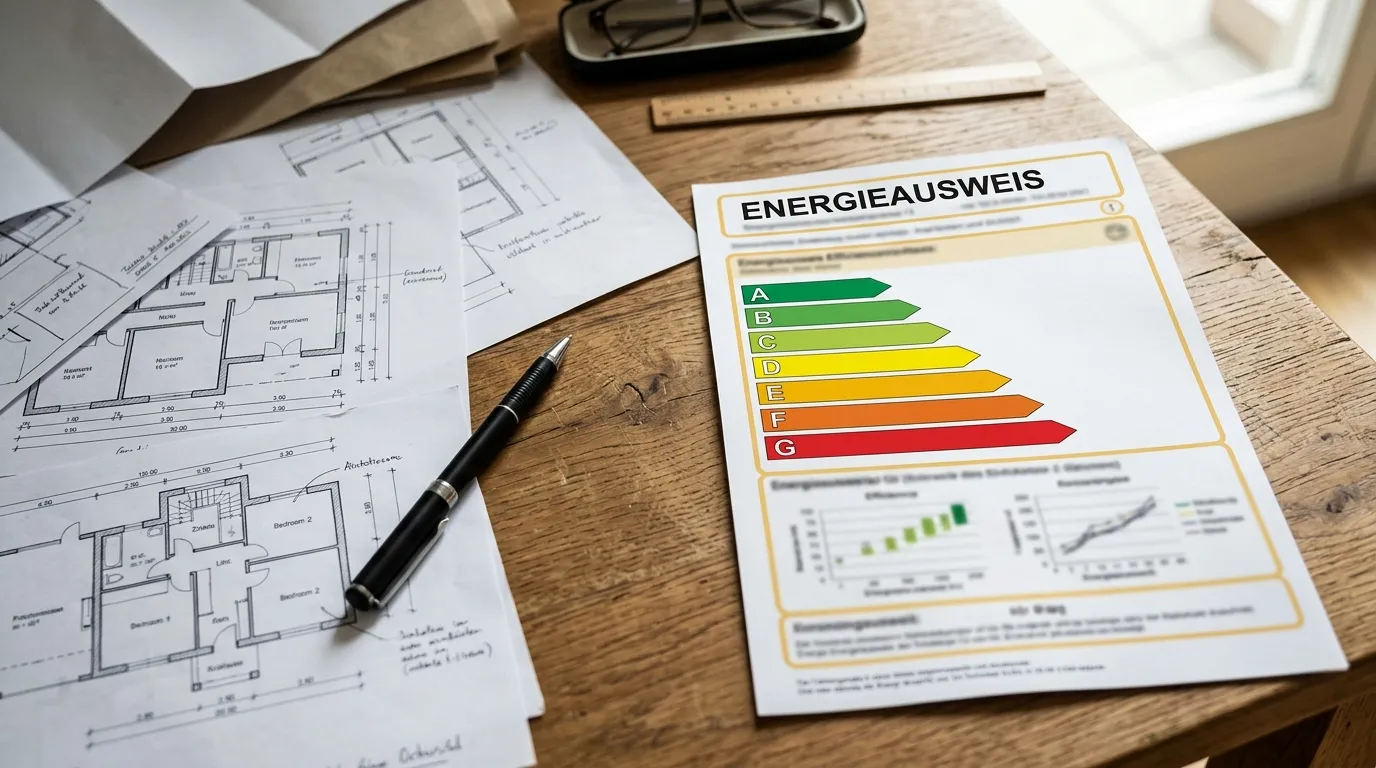
Turning a good rating into a selling point
Many brochures bury the energy rating in a table between construction year and heating type. It persuades nobody there. Bring it forward and explain its benefits.
Instead of simply “Energy rating A”, write, for example: “Energy rating A: this flat is economical to heat. Low energy costs ease the household budget month after month.” Or look ahead: “Energy improvements are already complete. No foreseeable renovation costs or expensive surprises in the coming years.”
Two perspectives support most wording: running costs, because buyers feel them immediately, and future readiness, because nobody wants major renovation soon after buying. For consistent figures, enter energy data once in Vividomo's property management. The AI brochure generator carries it into the online listing and PDF automatically. You focus on the argument; required information stays consistent.
Be honest about poor ratings
An F or G rating does not disappear in small print. Prospects will see it in the certificate at the viewing at the latest. Address it proactively.
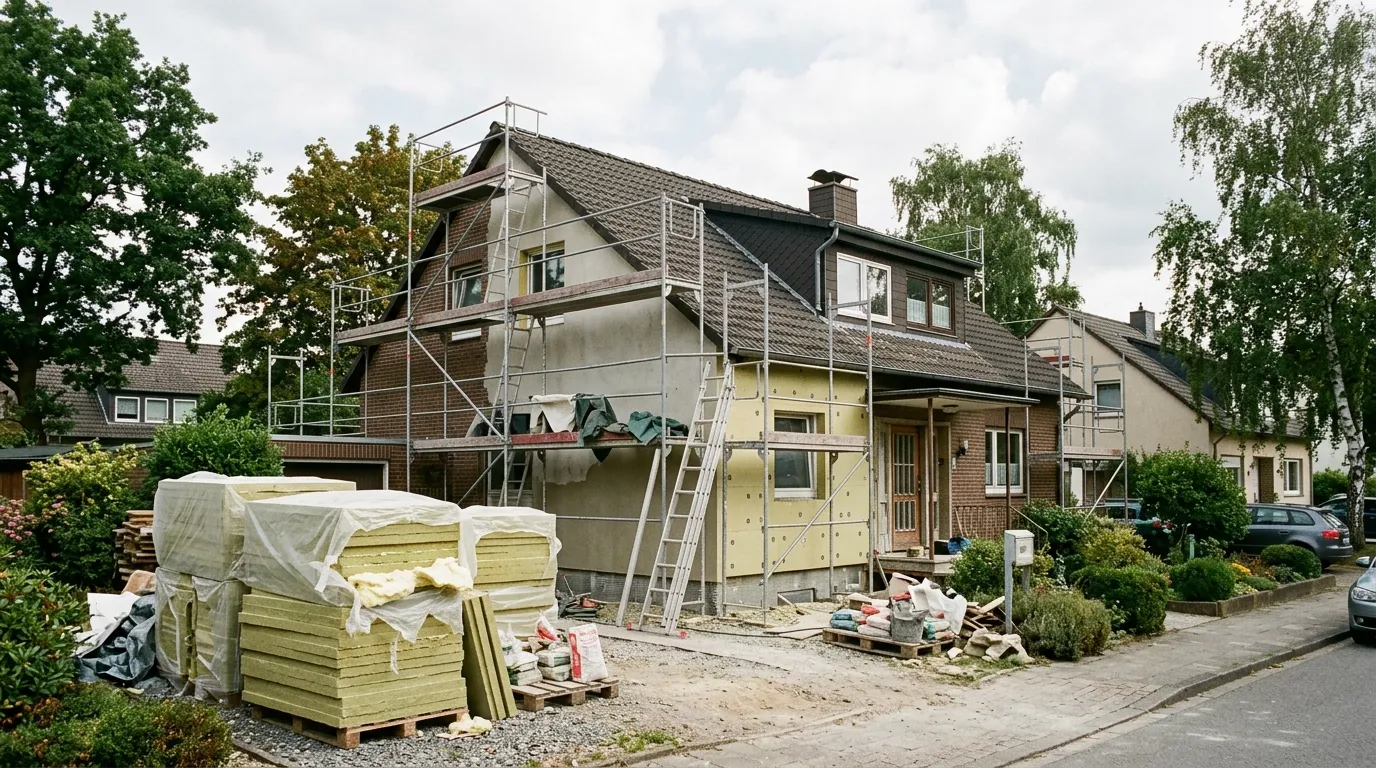
Three approaches work well. First, have an energy adviser quantify renovation potential. A statement such as “The energy adviser expects a substantially better rating with new heating and insulation; the cost estimate is attached” gives buyers a basis for calculation. Second, discuss realistic pricing with the owner. The immowelt figures above are a useful factual tool: poor efficiency is already priced into the market. Third, consider the audience. Renovators and investors actively seek potential. For them, a poor rating with a clear improvement plan can be a reason to buy.
What owners want to know now
The new directive worries many owners. Must I renovate? What is my E-rated property worth? Do I need a new certificate? These questions create an opportunity in your first conversation.
Agents who put these questions in context establish themselves as professionals and win exclusive instructions. Prepare for three topics: the rating in the local market, its price impact based on reliable data, and referrals to energy advisers for specific renovation questions. Be careful with legal details. Austria and Germany implement the rules differently, and the position keeps changing. “We will clarify the current legal position with your energy adviser” is more credible than a sweeping claim.
Conclusion
EU-wide standardisation makes energy ratings more visible and comparable, and pricing data shows the market already values them. Treating ratings as a required field wastes margin on good properties and puts you on the defensive with poor ones. Explain them through running costs, future readiness and renovation potential. Then they work for you.
Try Vividomo free for 30 days, with no credit card required.